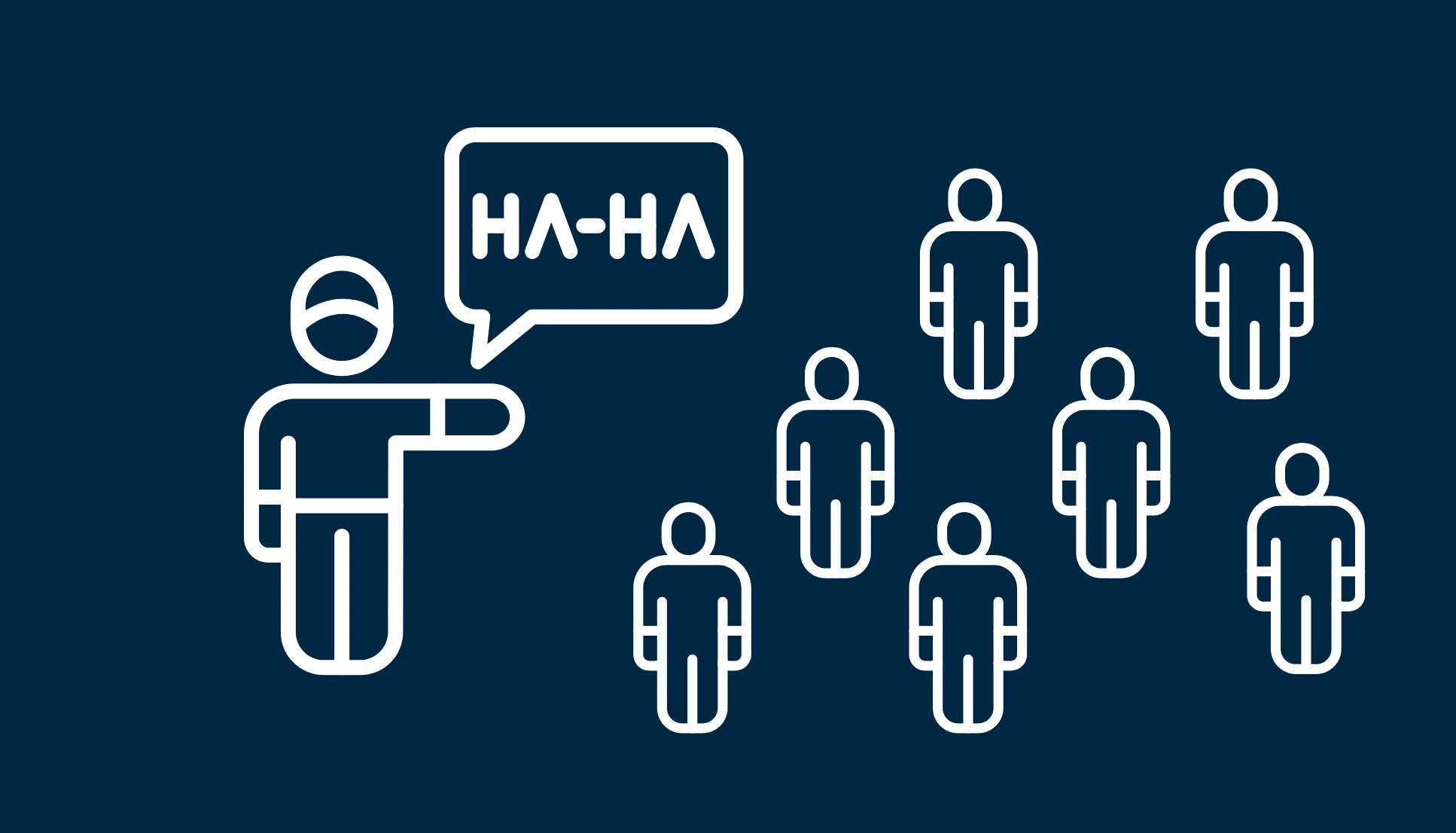
Indonesian society enjoys giving political figures nicknames that tend to be mocking. Frustration over political theatrics and the incompetence of state officials is often poured into satirical terms. From issues like body odor, bocah kemlinthi(arrogant kid), nepo-baby, instant PhDs, Mulyono, to “fatty.” These nicknames frequently color discussions on social media, TV talk shows, radio, and newspapers.
Mocking nicknames or name-calling is actually common in politics. Donald Trump, the 45th president of the United States, is known for frequently giving nicknames, especially to his political opponents. Joe Biden, for example, has been labeled Crooked Joe, Joe Hiden, Sleepy Joe, and Slow Joe. Hillary Clinton, Trump’s previous opponent, was called crazy Hillary and lyin’ Hillary. Trump’s actions have drawn criticism because name-calling clearly carries a negative connotation. It also contains elements of bullying, which can cause trauma and insecurity.
Name-calling is a propaganda technique in politics. Nicknames are intentionally attached to create a negative impression of an individual, belief, group, race, or culture without any factual basis. The history of Indonesian political communication is also full of name-calling, especially in the post-reform era marked by widespread virtual communication. Political contests filled with mockery became rampant, particularly ahead of presidential and regional elections. Nicknames involving SARA (ethnicity, religion, race, and intergroup relations) issues are among the most common, such as cebong, kampret, and kadrun during the 2019 presidential election. For individuals, we have heard nicknames like cardboard general, plonga-plongo, Mukidi, Jaenudin Nachiro, Pinocchio, buffalo, and many others.
Deadnaming
Mocking nicknames have emerged through social media in tandem with protest movements against unpopular (read: harmful) political policies. These nicknames circulate widely, shared and spread as jokes and ridicule. They do not arise from a vacuum. Mulyono, for instance, refers to someone’s childhood name that is no longer used (deadnaming). It is brought up to mock someone’s past. Often resulting in humiliation and delegitimization, Mulyono is used openly by netizens and politicians to insult.
According to Steve Forbes, editor-in-chief of Forbes Media, it is time to end name-calling (Forbes, 2024). In his commentary on the noisy U.S. presidential campaign, he wrote that name-calling does not make voters smarter and instead legitimizes bullying. Moreover, insults in nicknames can derail advocacy issues because the public becomes too focused on one individual cast as an antagonist.
In the article “Political incivility: does name-calling work?” (2023), Aaron Dusso and Sydnee Perkins note that political actors who are victims of name-calling are not affected by cruel or harsh nicknames. In fact, those nicknames often backfire on the giver. Sympathy is given to the one mocked, while the mocker gains nothing.
Dusso and Perkins surveyed 2,016 Americans from the Democratic and Republican parties to evaluate the effect of name-calling on voters after reading news about political campaigns. In the survey, participants were given scenarios where a candidate insulted their opponent with harsh, demeaning nicknames. Data analysis revealed that respondents were critical of the person giving the nicknames, while the target of the insults did not suffer a decline in reputation. Interestingly, only Democratic supporters disapproved of name-calling regardless of which party used it. Republican supporters believed Democrats should not name-call, but Republican candidates doing it was acceptable.
Mass name-calling may signal widespread public frustration toward political elites who feel unreachable. When the door to dialogue closes, name-calling becomes a way to express anxiety — even a radical way to seek attention.
Yulina Goto (2022), in her analysis of the South Korean presidential election, wrote that name-calling is not useful for society but is important for politicians. Therefore, the assignment of various nicknames should always be suspected as political communication that recruits public participation. The participatory nature of society enables nicknames to spread and evolve into endless bullying.
Criticism and satire
It must be understood that name-calling is not always pure mockery. There is criticism conveyed through satire and irony. Name-calling represents public disgust at the conditions, attitudes, behaviors, and political disorder happening in the country. Emerging on social media and later becoming cynical remarks in public spaces, name-calling is a direct jab — and indeed, a bitter one.
Even so, political propaganda strategies that use name-calling should be reconsidered so they do not become part of a political culture that is harmful to Indonesia’s younger generations. The desire to improve the country might inadvertently leave behind a legacy of unnecessary mockery and bitterness for our youth.